
Cyber Security is the practice of protecting systems, networks, and programs from digital attacks. These “cyberattacks” are usually aimed at accessing, changing, or destroying sensitive information, extorting money from users via ransomware, or interrupting normal business processes.
In simple terms, if the internet is a vast city, Cyber Security is the combination of locks on your doors, the police force, and the alarm systems that keep your digital “house” safe.
## The Core Pillars: The CIA Triad
To understand security, experts use the CIA model:
- Confidentiality: Ensuring that sensitive information is accessed only by authorized people (e.g., using passwords and encryption).
- Integrity: Ensuring that data is accurate and has not been tampered with by hackers during transmission or storage.
- Availability: Ensuring that systems and data are available to users whenever they need them (e.g., preventing a website from crashing due to an attack).
## Common Types of Cyber Threats
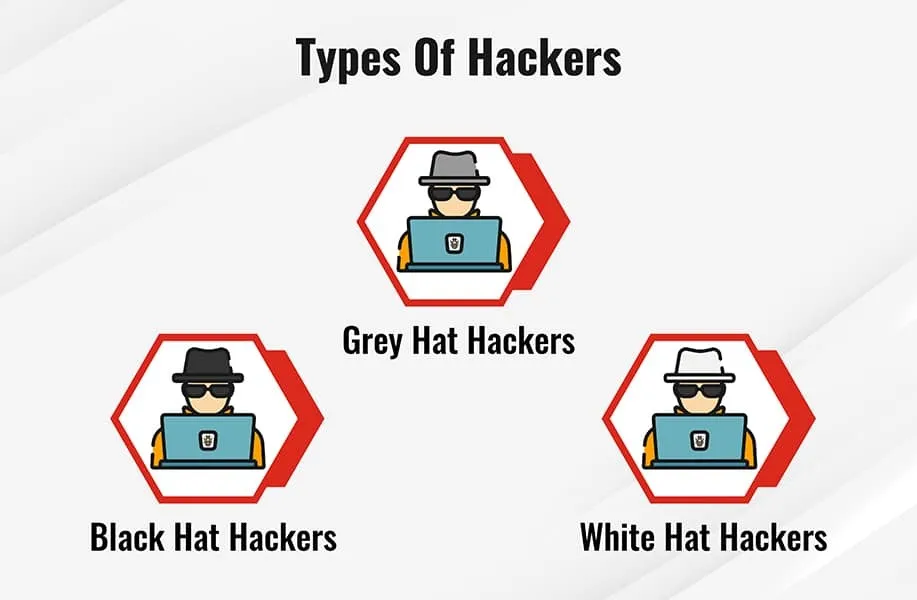
Hackers use various methods to break into systems:
- Phishing: Sending fraudulent emails that resemble emails from reputable sources to steal sensitive data like credit card numbers and login info.
- Ransomware: A type of malicious software designed to block access to a computer system until a sum of money is paid.
- Malware: Software specifically designed to disrupt, damage, or gain unauthorized access to a computer system (includes viruses, worms, and spyware).
- Social Engineering: A tactic that goal-oriented attackers use to trick you into revealing sensitive information by appealing to your emotions or curiosity.
## Why Is It Important?
- Protection of Personal Data: From your medical records to your bank details, almost everything is stored online today.
- Business Continuity: For a hosting business or an e-commerce store, a single breach can result in massive financial loss and a ruined reputation.
- National Security: Governments use cyber security to protect critical infrastructure like power grids, water systems, and military secrets.
## 5 Essential Tips for Better Security
If you are managing websites or online services, these are the “golden rules”:
- Use Multi-Factor Authentication (MFA): Always require a second code (via SMS or an app) in addition to your password.
- Keep Software Updated: Hackers love “bugs” in old software. Updates usually “patch” these holes.
- Strong, Unique Passwords: Never use the same password for your hosting account, social media, and email.
- Backup Your Data: Regularly save your files and databases in a separate location (like a secure cloud or offline drive).
- Be Skeptical: If an email or a link looks even slightly “off,” don’t click it.