

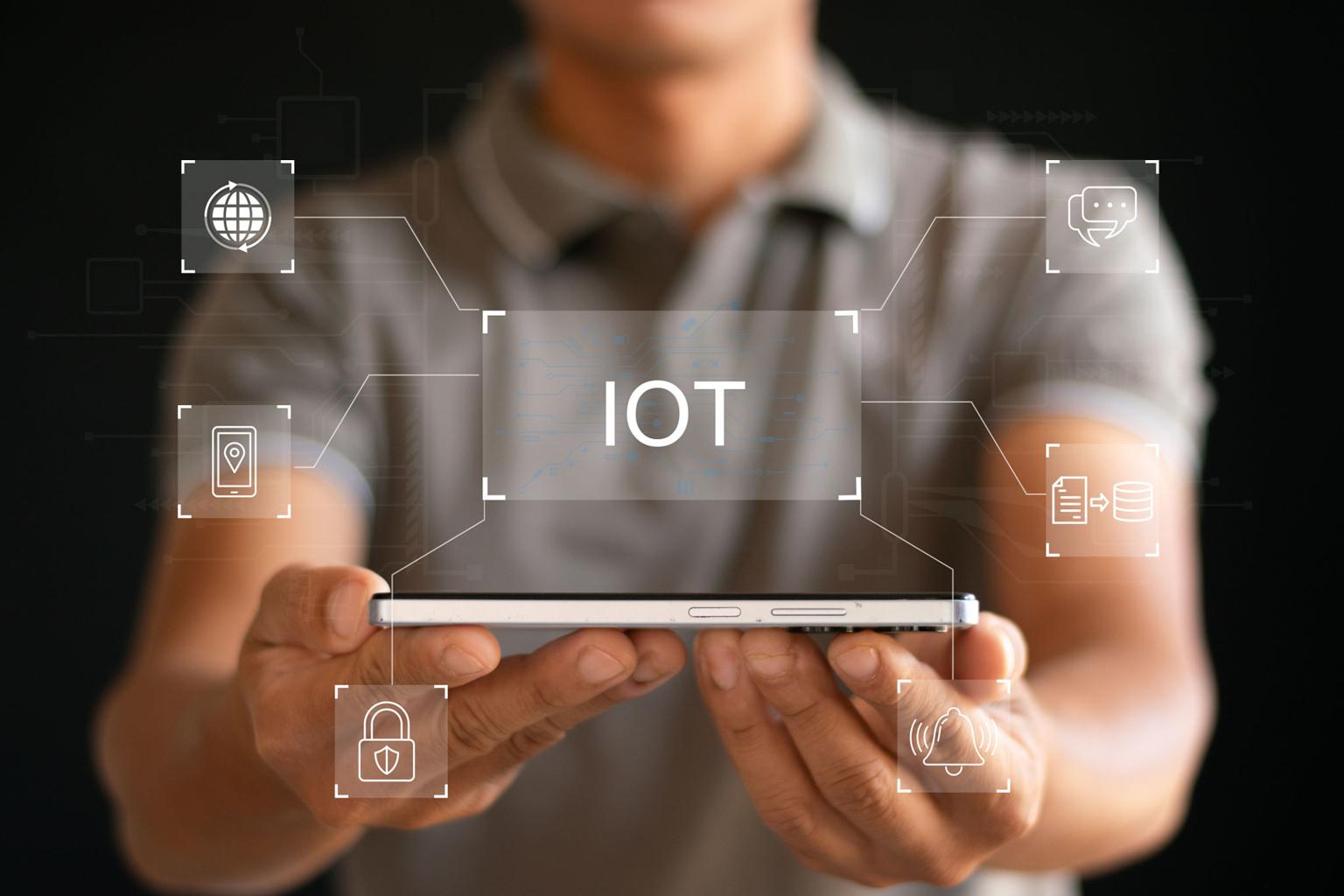
The Internet of Things (IoT) refers to the network of physical objects—”things”—that are embedded with sensors, software, and other technologies for the purpose of connecting and exchanging data with other devices and systems over the internet.
In simpler terms, it is about taking all the things in the world and connecting them to the internet so they can “talk” to us, to each other, and collect data.
## How IoT Works
An IoT system consists of four distinct components:
- Sensors/Devices: These gather data from their environment (e.g., a GPS tracker on a bike, or a temperature sensor in a room).
- Connectivity: The data is sent to the cloud via Wi-Fi, Bluetooth, Cellular (4G/5G), or Satellite.
- Data Processing: Once the data reaches the cloud, software processes it (e.g., checking if the temperature is within a safe range).
- User Interface: The information is made useful to the user via an alert or an app (e.g., a notification on your phone saying “Your bike has moved”).
## Everyday Examples of IoT
- Smart Home: Smart bulbs, thermostats (like Nest), and security cameras that you can control from your phone while you’re away.
- Wearables: Fitness trackers (like a Fitbit) that monitor your heart rate and steps and sync that data to an app.
- Smart Cities: Streetlights that turn on only when someone walks by, or trash cans that signal the city when they are full.
- Industrial IoT (IIoT): Sensors in factories that predict when a machine is about to break down before it actually happens.
## The Benefits of IoT
- Efficiency: Automating daily tasks (like turning off lights) saves time and energy.
- Data-Driven Decisions: Businesses can use real-time data to understand how customers use their products.
- Safety: IoT medical devices can monitor a patient’s health remotely and alert doctors in an emergency.
- Cost Savings: Smart systems can reduce waste, such as smart irrigation systems that only water plants when the soil is dry.
## Challenges: Security and Privacy
Because every IoT device is connected to the internet, they can be targets for hackers. If a smart home device isn’t secure, someone could potentially access your home network. This is why Cyber Security (which we discussed earlier) is so critical as more “things” go online.
## The Future of IoT
By the end of 2026, it is estimated that there will be over 30 billion connected IoT devices globally. With the rollout of 5G, these devices will become even faster and more reliable, allowing for things like fully autonomous “Smart Traffic” systems.
Since you are planning a solo motorcycle trip, would you like to know about some IoT gadgets (like GPS trackers or smart helmets) that could make your journey safer?